What's happening with food prices?
27/02/25 - Victor Martins Cardoso | Leandro Gilio
Macroeconomics | Food Security
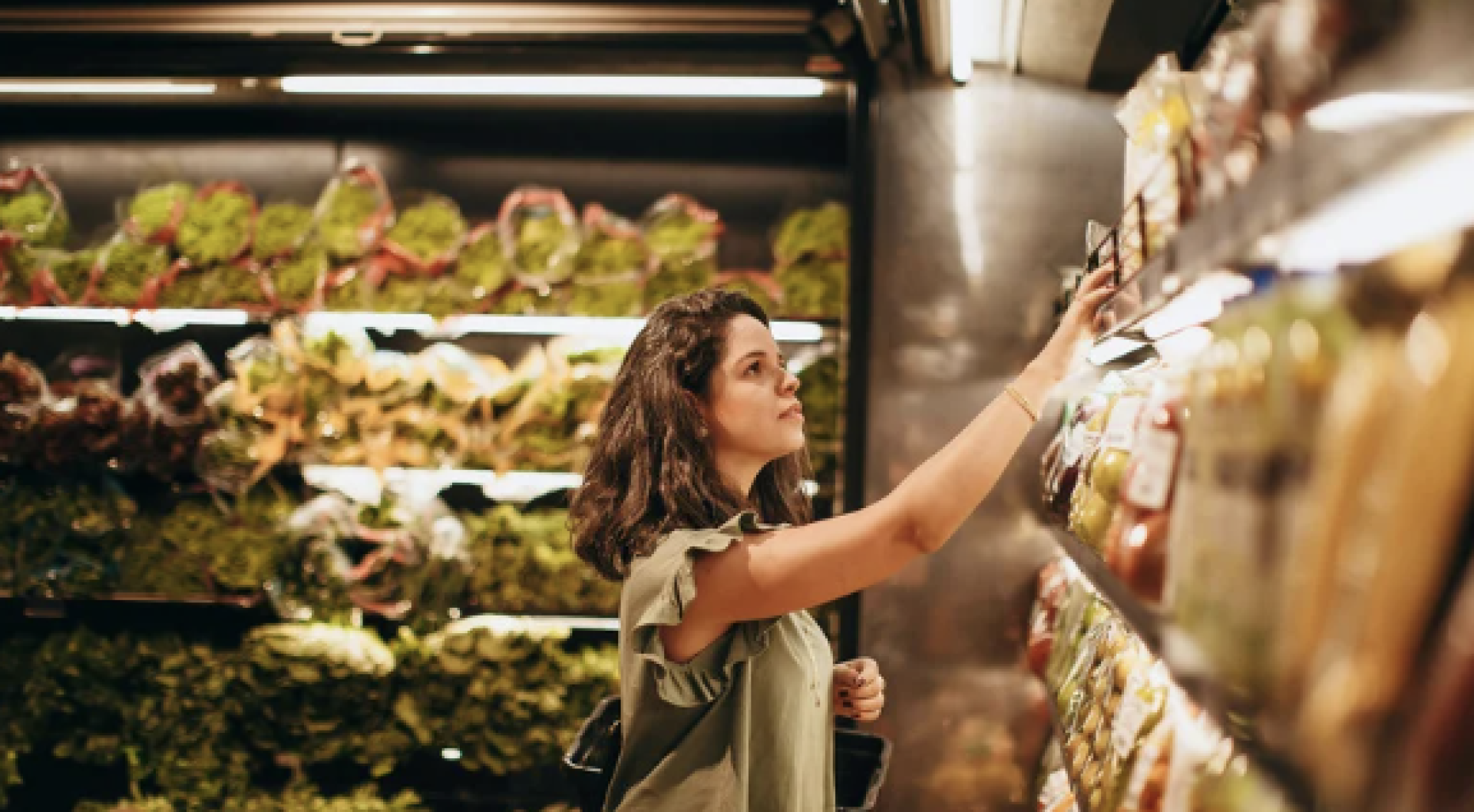
Even as inflation slowed in January, persistently high food prices continue to put pressure on household budgets and challenge government policies
Monthly inflation, measured by the Broad Consumer Price Index (IPCA), fell from 0,52% to 0,16% in January, reaching the lowest level for the month since the beginning of the historical series in 1994, after the implementation of the Real Plan. Despite this positive result, the persistent rise in food prices is a concern for both society and the government. In the last 12 months, the food and beverage category — the most relevant in the calculation of the IPCA — accumulated an increase of 7,3%, well above the 1,8% recorded in January 2024.
Food inflation significantly impacts family budgets, especially those of low-income families, who allocate a larger portion of their income to essential items – families with incomes up to two minimum wages allocate approximately 22% of their budget to food, according to the latest Family Budget Survey (POF – IBGE) . Faced with this scenario, the government is discussing measures to curb rising prices, including subsidized credit for rural producers, control of import tariffs, and changes to the rules governing meal vouchers and food vouchers. However, the effectiveness of these measures depends on an accurate diagnosis of the root causes of the problem.
Several factors explain the recent surge in food prices. The devaluation of the real, a booming labor market, adverse weather conditions, and specific characteristics of agricultural production contribute to this trend. It is worth noting that this inflationary pressure is not recent: since 2020, food prices have accumulated a 55% increase, while overall inflation was 33% during the same period.
In this context, some products deserve special attention. Meat, especially beef, recorded one of the highest accumulated increases until January 2025. In the last 12 months, prices rose 21,2%, contrasting with the downward trend observed at the beginning of 2024. This increase is linked to the rise in the price of beef cattle since last September, when a severe drought, aggravated by fires, reduced the supply of animals while demand remained strong. In November 2024, beef cattle reached a high of R$350 and, although it has fallen, it remains at a high level, around R$315.
Coffee has also been severely affected by adverse weather conditions. The combination of drought, frost, heavy rains and a more intense El Niño phenomenon contributed to accumulated inflation of 50,4% in the sector through January 2025. In addition, production problems in Vietnam, the world's second-largest producer, have driven up international prices. In January, Arabica coffee futures in New York rose 29,3%, while ground coffee in Brazil became 8,6% more expensive. Itaú BBA projections indicate that the 2025/26 coffee harvest will be 64,4 million bags, a 3% reduction compared to the previous cycle, which could sustain the upward trend in prices.
Another product that has been in the spotlight is soybean oil, whose price has been rising in recent months. The sharp rise in the price of olive oil, caused by the extreme heat that damaged olive trees in the main producing countries, led consumers to opt for soybean oil as an alternative. With demand redirected, the prices of this product have soared, accumulating a 24,6% increase in the last 12 months. To contain this escalation, the government suspended the increase in the mandatory blend of biodiesel in regular diesel, which would have gone from 14% to 15%, as a way of avoiding an even greater increase in the price of oil — since a large part of Brazilian biodiesel is produced from soybeans.
In addition to meat, coffee and soybean oil, other products also recorded significant increases:
- Eggs: the price of a box containing 30 dozen reached R$227, a record, according to Cepea/Esalq. Heat waves have reduced poultry productivity, while the price of feed has been rising since September last year;
- Cocoa: the agricultural crisis in African countries, responsible for 54% of global production, reduced supply and boosted international prices of the product, also affecting the cost of chocolate;
- Fruits: The drought and high temperatures in Brazil have made several fruits more expensive. Avocados (+68,7%), tangerines (+68,6%) and limes (+59,6%) recorded the biggest increases in the last 12 months.
The rise in food prices is not an isolated phenomenon, but part of a broader scenario of instability in agricultural production, both nationally and globally – according to data from the FAO's global food price index, there has been a 26% increase since 2020. Extreme weather events have increasingly impacted supply. Furthermore, geopolitical tensions and protectionist measures increase volatility in commodity markets, strongly affecting costs for producers globally. The exchange rate is also a crucial factor: in periods of uncertainty, investors migrate to safer assets, such as the dollar, devaluing the real and making imported products more expensive. High interest rates, both globally and consequently in Brazil, also increase the costs of productive investments and reduce dynamism in the sector – in the Brazilian context, the recent suspension of the Plano-Safra (agricultural plan) and the reduction of subsidized credit lines exacerbate this issue.
Finally, Brazil's structural challenges — such as logistical bottlenecks, storage deficits, high tax burdens and a certain degree of legal uncertainty — also influence price increases and make it difficult to plan production investments. However, there are no easy solutions or short-term solutions. Policies that are sometimes proposed by the government, such as reducing import tariffs on food or attempts to create public stocks, have historically not yielded the expected results when used in Brazil – some even discourage production and generate the opposite effect of increasing prices in the long term.
To ensure greater price predictability and reduce the impact on the population, it is essential that public policies and production strategies are well planned in an integrated manner, balancing the interests of producers and consumers, aiming to reduce production costs and increase national production capacity.
1 Read more here
2 Cumulative value of the FAO Food Price Index
Are you already following our official channels? Click and follow our WhatsApp channel , follow us on LinkedIn , and subscribe to receive our bi-weekly newsletter . Stay updated with research and knowledge on global agribusiness issues.
Read too
News | Agricultural News | 09/11/26
The EUDR trap tightens the Brazilian agricultural sector's grip by US$17,5 billion and challenges even European agriculture itself.

News | Insper Agro Global | 08/28/26
José Pimenta participates in a debate on geopolitics and the competitiveness of agricultural inputs.

News | Insper Agro Global | 05/19/26
Insper Agro Global announces new collaborators and expands its operations in geopolitics and international trade.
José Pimenta Jr. and Bruno Capuzzi join the research team, strengthening research on topics related to international trade, public policy, and global regulatory governance.